
Getting started in real estate is less about big leaps and more about a repeatable plan: set clear goals, understand the numbers, choose a beginner-friendly path, and build a small operating system for finding deals, validating them, and managing risk. The steps below follow a simple week-by-week sequence with decision points that reduce guesswork and help keep your first deal conservative.
The fastest way to stall out is to chase every approach at once. Start by choosing a single “starter lane” that fits your calendar, cash position, and comfort level with uncertainty.
| Starter path | Best for | Upfront cash | Time demand | Main risk to manage |
|---|---|---|---|---|
| House hacking (live in 1 unit/room) | Lowering housing cost while building equity | Low–Medium | Medium | Tenant screening and property condition |
| Buy-and-hold rental (single-family/small multifamily) | Steady wealth building over time | Medium–High | Low–Medium | Overpaying and underestimating repairs |
| Wholesaling/assignments | Learning deal analysis and negotiation quickly | Low | High | Legal compliance and deal fallout |
| BRRRR (buy, rehab, rent, refinance) | For those comfortable with projects | High | High | Rehab overruns and refinance timing |
| REITs (publicly traded) | Hands-off exposure to real estate | Low | Low | Market volatility and fees |
Your first “win” is getting financially ready enough to make offers without panic. That means clear numbers, adequate reserves, and financing clarity.
For first-time home-buying and mortgage basics, the Consumer Financial Protection Bureau (CFPB) home-buying resources and HUD’s buying a home guide help clarify the process and typical costs.
Beginner deal analysis should be simple, repeatable, and conservative. The goal isn’t perfect forecasting—it’s avoiding the mistakes that turn a “good deal” into a long, expensive lesson.
If you plan to rent out property, the IRS Publication 527 is a practical reference for rental property rules and recordkeeping considerations.
Consistency beats occasional big pushes. A simple cadence builds skill quickly and keeps your pipeline full, even in competitive markets.
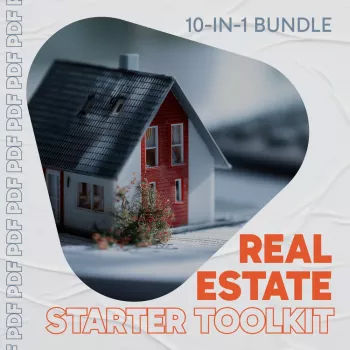
If you want a structured set of templates and checklists to reduce setup time, consider the Real Estate Starter Strategy Toolkit – How to Get a Start in Real Estate. For long analysis sessions and follow-up calls, a comfortable workspace helps—see the Sleek Black Height Adjustable Swivel Office Chair. And for property tours and appointment-heavy days, the Luxury Waterproof Stainless Steel Sport Watch is a practical way to stay on schedule without constantly checking your phone.
It depends on the strategy: REITs can start with small amounts, while house hacking or buying a rental often requires funds for down payment, inspections, and closing costs plus reserves. A conservative plan prioritizes emergency savings and property reserves before stretching for a purchase.
House hacking and conservative buy-and-hold are often lower risk when the payment is affordable and assumptions are stress-tested. The safest approach is the one you can hold through vacancies and repairs without draining reserves.
Many first purchases take 30–120+ days depending on financing readiness, inventory, and how consistently you analyze and tour properties. A weekly cadence of sourcing, underwriting, and follow-up usually speeds up learning and decision-making.










Leave a comment