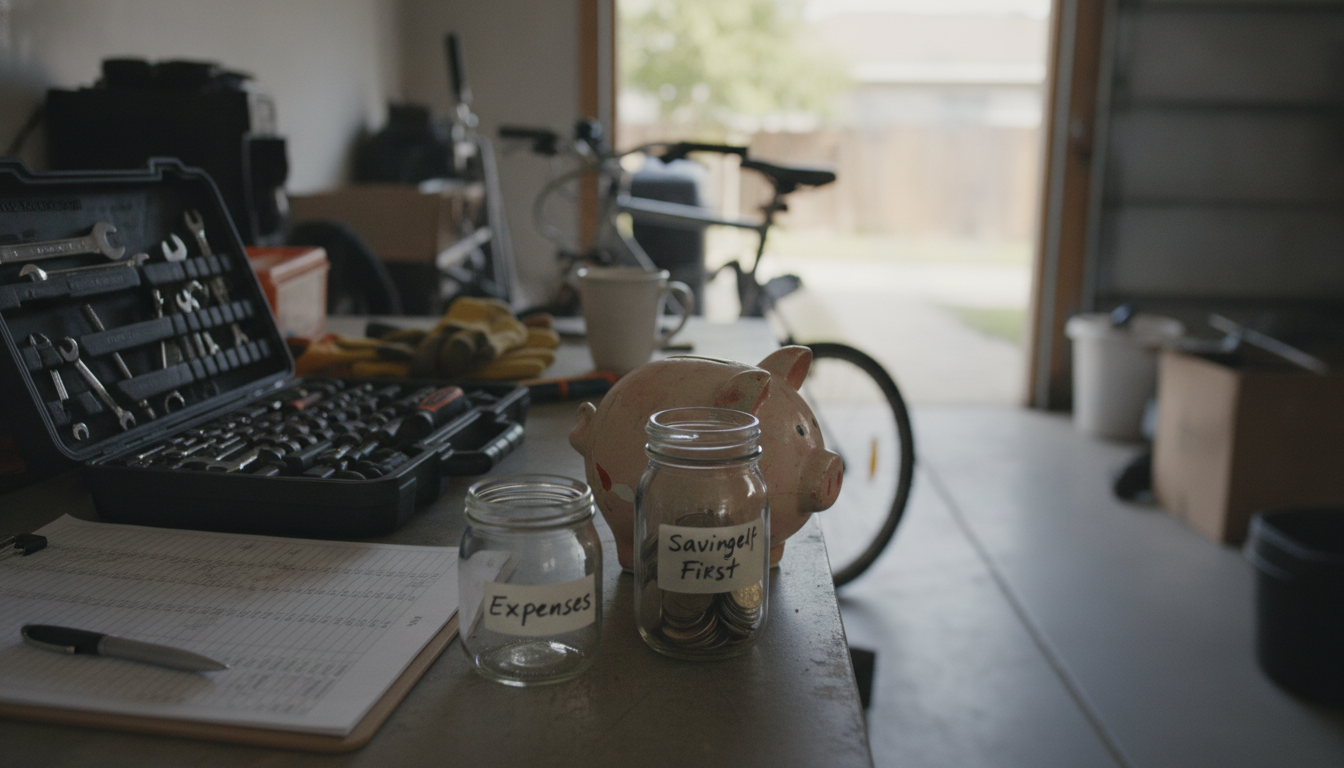
Zero-based budgeting isn’t universally “better” than pay yourself first—it’s better for certain personalities, pay patterns, and goals. Zero-based budgeting assigns every dollar a job before the month begins (or before the next paycheck), which can deliver tighter control and fewer “mystery” spending leaks. Pay yourself first prioritizes saving and investing upfront, then lets your remaining money cover bills and spending, which can feel simpler and more sustainable for many households.
Zero-based budgeting is often the stronger choice when cash flow feels tight, expenses fluctuate, or overspending keeps showing up at the end of the month. Because every dollar is allocated—housing, groceries, sinking funds, debt payoff, and even fun money—it’s easier to see trade-offs in advance. It’s also helpful for people who want granular category targets and a clear plan for irregular expenses like car repairs, annual subscriptions, or holiday spending.
Pay yourself first is usually a better fit when you want consistent progress on savings goals without managing lots of categories. Automating transfers to an emergency fund, retirement account, or down payment fund can protect your priorities from impulse spending. This approach can be ideal for steady incomes, people who get overwhelmed by detailed budgeting, or anyone who already has a good handle on bills and day-to-day spending.
If you regularly wonder where your money went, start with zero-based budgeting for at least one to three months to reset habits and build visibility. If you’re already stable but want to grow savings faster with less friction, pay yourself first may be the more sustainable long-term system. Many shoppers end up combining both: automate savings first, then zero-base what remains so essentials, sinking funds, and guilt-free spending are all covered.
For a deeper comparison and tips on picking the right method for your household, see the full guide here: https://furniturebazaar.shop/is-zero-based-budgetging-better-than-pay-yourself-first/.
A sinking fund is money set aside for a known upcoming expense, like insurance premiums, gifts, or home repairs. It prevents those predictable costs from turning into credit card debt or blowing up a month’s budget.












Leave a comment