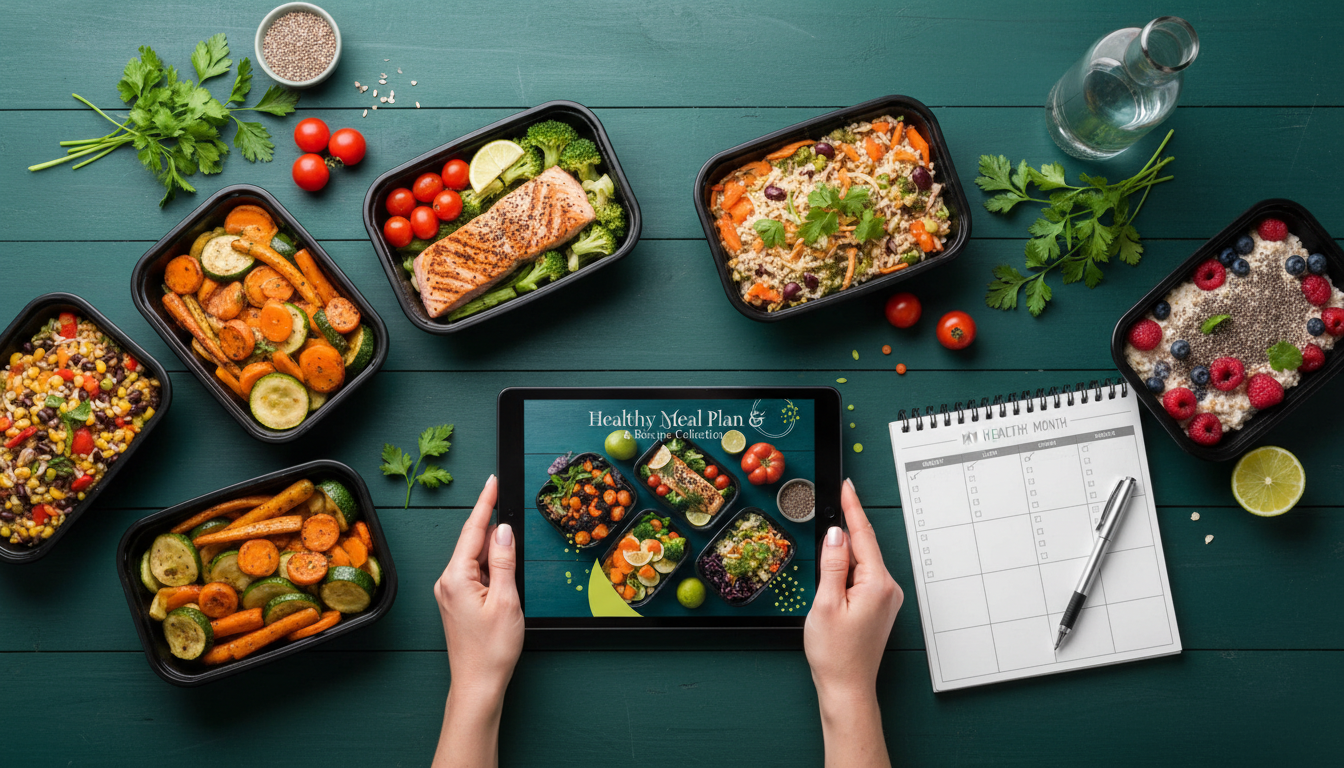
A structured meal plan can reduce daily decision fatigue, support steady energy, and make balanced nutrition easier to maintain. The goal isn’t to eat “perfectly”—it’s to create a repeatable rhythm for breakfast, lunch, dinner, and snacks that fits your schedule and your appetite. Below is a practical way to plan one week or one month at a time, plus a simple system for using a recipe collection to streamline shopping, prep, and portioning without turning meals into a complicated project.
A balanced plan is less about rigid rules and more about consistent building blocks. Most meals feel better (and keep you fuller longer) when they include protein, fiber-rich carbohydrates, and healthy fats in a combination that works for your preferences and activity level.
For a simple visual guide to proportions, compare your plate to frameworks like the USDA MyPlate Plan or the Harvard Healthy Eating Plate.
Both approaches can work; the best choice depends on how predictable your weeks are, how often you shop, and how much variety you want.
| Feature | One-Week Plan | One-Month Plan |
|---|---|---|
| Shopping frequency | Weekly | Weekly + monthly pantry restock |
| Flexibility | High | Moderate (best with swap options) |
| Prep style | Light prep, cook more often | Batch cooking, repeatable components |
| Food waste risk | Lower if planned well | Lower if freezer/pantry strategy is used |
| Best for | New routines, unpredictable weeks | Structured schedules, meal-prep fans |
A hybrid approach is often the easiest to sustain: plan 1–2 weeks at a time while keeping a rotating list of favorite breakfasts, lunches, and snacks. Also keep a short “backup meal” list—freezer-friendly or pantry-based—for nights when cooking time disappears.
A recipe collection works best when it becomes a template instead of an endless menu. Start small and repeat what’s easy.
Prioritize protein + fiber so you’re not chasing hunger mid-morning. Examples: eggs with vegetables and toast, Greek-style yogurt with berries and nuts, or overnight oats with chia and a scoop of nut butter.
Plan for portability and real life. Grain bowls, soups, salads with a protein, or leftovers from dinner are all reliable. If lunch is usually rushed, build it around components you can assemble in under five minutes.
Anchor the plate with a protein, add 1–2 vegetables, and include a satisfying carbohydrate source (rice, potatoes, legumes, whole grains). If dinners tend to run late, choose meals that can be prepped earlier and finished quickly.
Keep snacks purposeful by pairing carbs with protein or fat: fruit + nut butter, hummus + veggies, cottage cheese + tomatoes, or cheese + whole-grain crackers. Portion cues beat perfection—aim for a balanced plate most of the time and adjust based on hunger and activity.
For broader nutrition guidance that supports long-term habits, the Dietary Guidelines for Americans (2020–2025) is a helpful reference for patterns and balance.
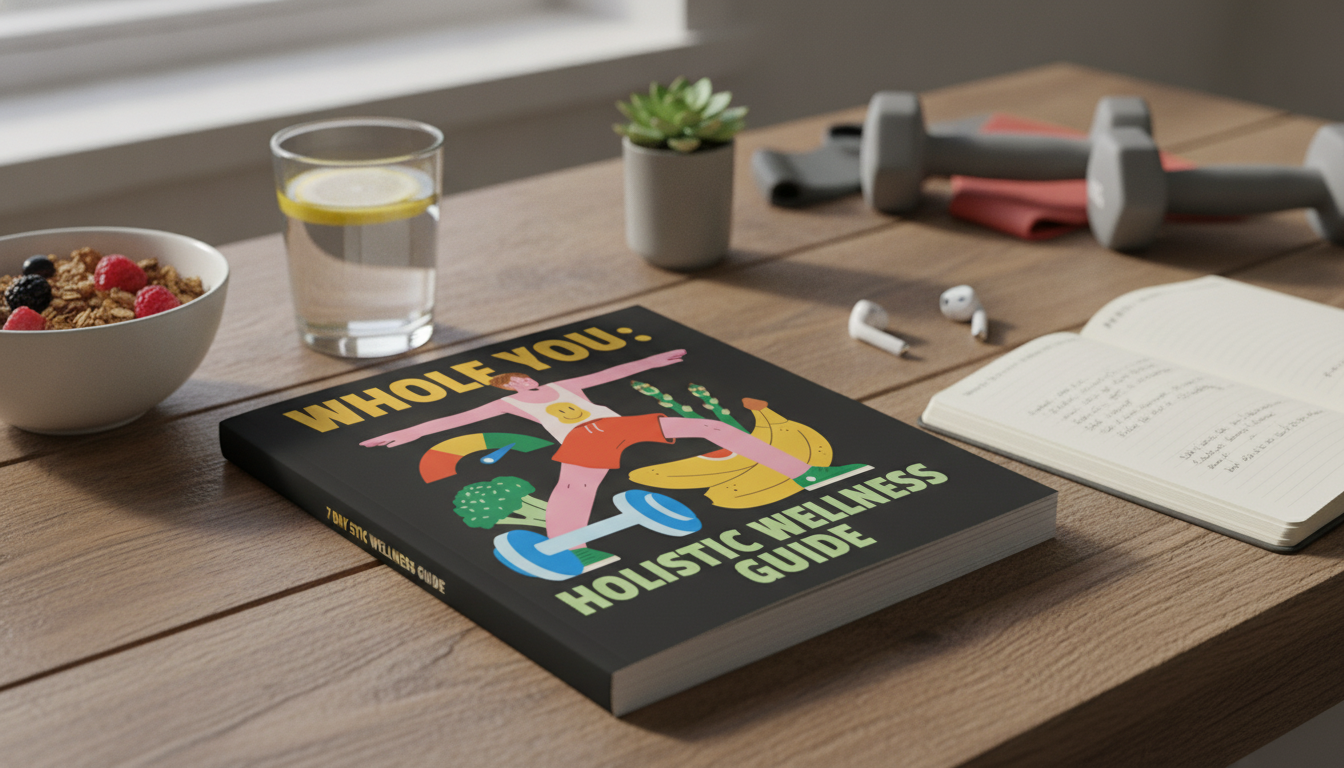
If you want a ready-to-use framework instead of building everything from scratch, the Healthy Meal Plan & Recipe Collection eBook is designed to make planning feel complete—breakfast through snacks—while staying flexible enough for real schedules.
A one-week plan is usually the easiest start because it lets you learn portions, preferences, and realistic prep time. Once the week feels repeatable, expanding to two weeks or a month becomes much simpler.
Plan snacks on purpose and pair carbs with protein or fat (like fruit with nut butter) to stay satisfied. Keep portions reasonable and use snacks to bridge long gaps between meals rather than grazing all day.
Yes—swap within the same meal category (breakfast for breakfast, dinner for dinner) and keep the protein and vegetable components consistent. Over the week, aim for variety in colors and ingredients so the overall pattern stays balanced.









Leave a comment