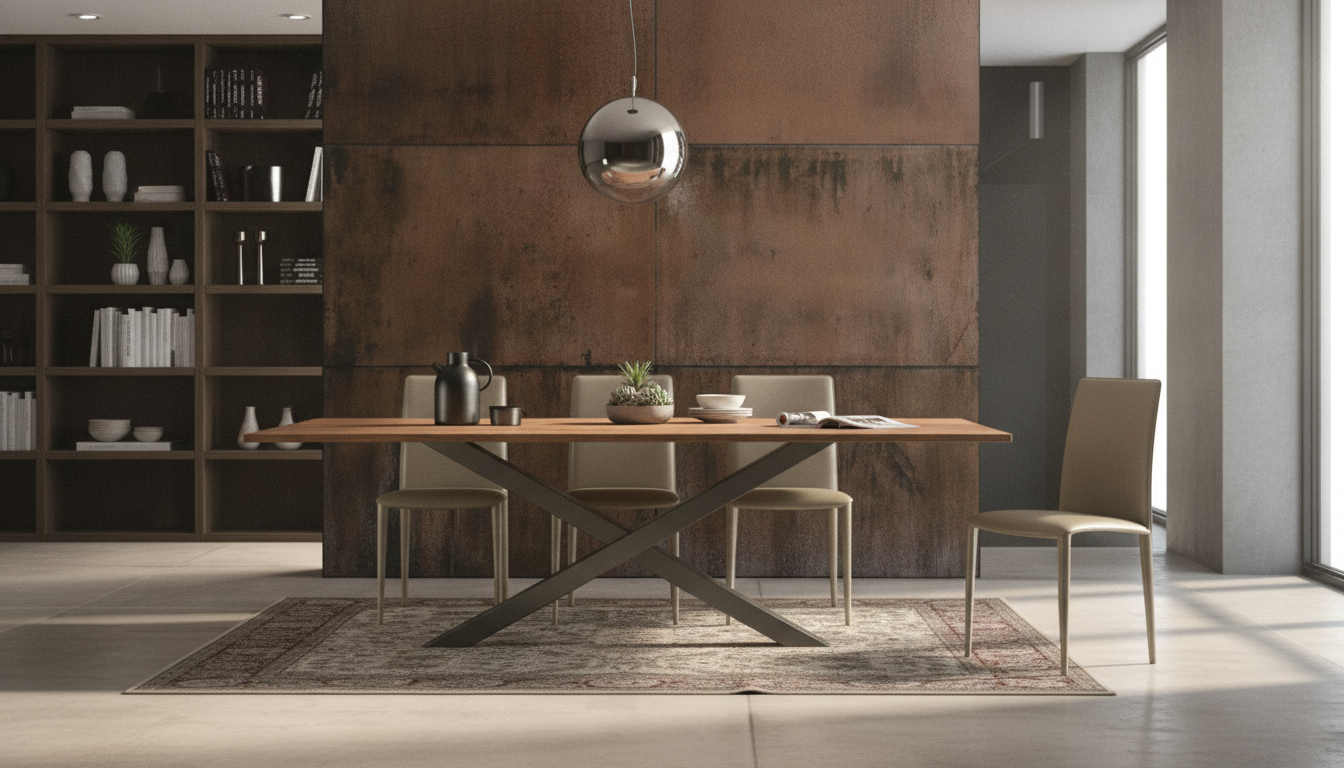
Clean Nordic lines meet a solid wood top and a carbon steel base for a dining setup that feels warm, steady, and easy to live with. The result is a table set that looks calm in a bright, airy room, yet holds up to the real rhythm of meals, homework, and weekend gatherings. Below are the practical details that matter most: what creates the Nordic look, how wood and steel perform in daily life, how to size the set for your space, and how to keep the finish looking refined for years.
Nordic design is often recognized by what it leaves out: heavy ornament, fussy curves, and visual noise. A modern Nordic dining set typically relies on confident basics—good proportions, honest materials, and a silhouette that feels light even when it’s built for strength.
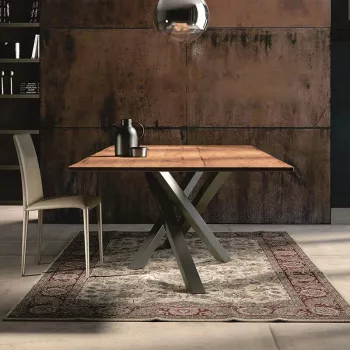
If you’re looking for a focal point that doesn’t overwhelm, the Modern Nordic Solid Wood & Carbon Steel Dining Table Set is the kind of piece that supports the room’s mood instead of dominating it.
Material choices are where a dining set either becomes a long-term staple or an ongoing maintenance project. Solid wood and steel have been widely used in furniture and building applications because they’re dependable, repairable, and structurally capable. For a deeper look at wood’s properties as a material, the USDA Forest Service Wood Handbook is a well-known reference.
| Component | What it adds | What to check before buying |
|---|---|---|
| Solid wood top | Warmth, natural character, durable surface | Sealed finish, edge profile, expected color variation |
| Carbon steel base | Stability, slim modern lines, long-term rigidity | Protective coating, floor-friendly feet, weld/fastener quality |
| Overall build | Comfortable daily use and reliable support | Leveling, wobble resistance, care requirements |
A dining table can look perfect online and still feel tight in a real room if clearance isn’t planned. Measure the dining zone—not just the tabletop footprint—so chairs can slide out and people can move around comfortably.
In mixed-use spaces, placing storage nearby can help the dining area stay calm. A streamlined piece like the Mid Century Modern 3 Drawer Dresser can work as a buffet-style landing spot for linens, serving pieces, or candles—without adding visual clutter.
Good dining sets feel natural to use: knees don’t bump the base, chairs glide without snagging, and the surface supports everything from weeknight bowls to heavy serving platters.
If your dining area doubles as a work zone, pairing the room with a supportive seat can keep the overall look cohesive. The Sleek Black Height Adjustable Swivel Office Chair brings practical adjustability while echoing the clean, dark accents of a steel base.
Not special—just consistent. Wipe spills promptly, use coasters and trivets, avoid harsh cleaners, and periodically check that the finish still feels well-sealed; natural grain and color variation are normal for solid wood.
It can if the feet aren’t protective or if debris gets trapped underneath. Floor-friendly pads help a lot, and adding felt pads plus keeping the table level reduces dragging and scrape marks.
Leave enough clearance to pull chairs out and walk behind seated diners comfortably; many rooms feel best with roughly 3 feet of open space on key traffic sides. Adjust based on door swings, walkways, and how often people pass through during meals.









Leave a comment